
During the Autumnal Equinox of 2022, I traveled to Nepal for shamanic training, pilgrimage to sacred locations, and the sharing of my professional work experience.
(Note: click on each image to expand to its full size!)
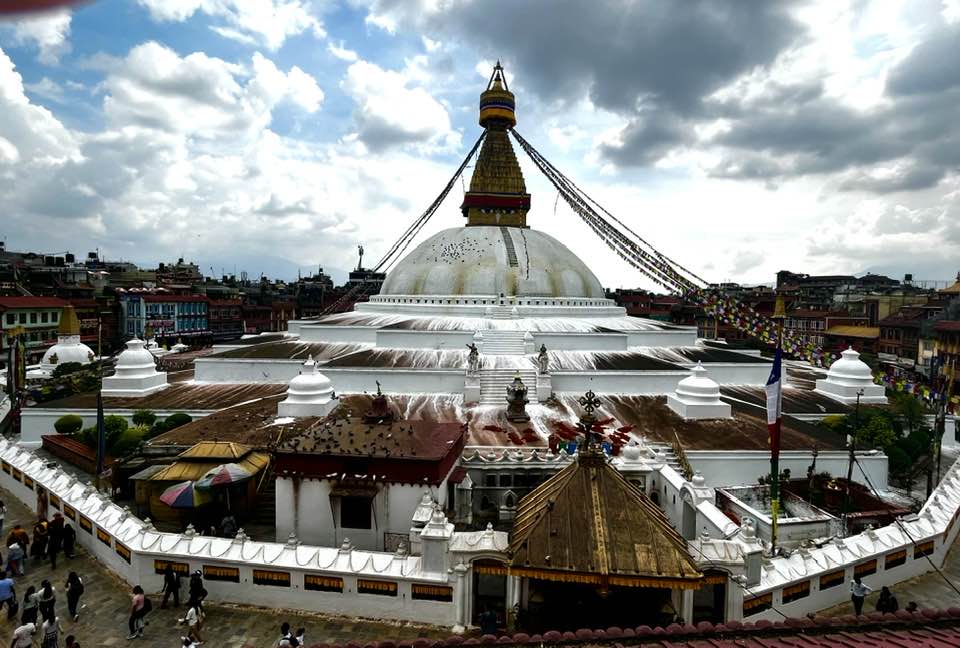
In the past 22 years, I dedicated my free time to world travel; I’ve visited Ireland, England, Wales, Bermuda, Mexico, Canada, Austria, Thailand, Japan, Korea, and others. However, international travel is expensive (even before post-Pandemic inflation), and I’ve needed 1.5-2 years to save for each trip. My teacher and jhankri, Bhola Banstola, invited me to a “shamanic-exchange program” in Nepal, and I needed help to afford the trip. My spiritual community contributed greatly with financial support and I am forever honored and thankful for their gifts.

The pilgrimage took place during the feast days of Durga, Navaratri, and was the longest period of time I’ve ever spent in another country (15 days)! Although I tried to research the language, social etiquette, food, and gender-conforming behaviors of Nepal (difficult for this queer shaman, but a needed adaptation out of respect for another culture), there was no possible way I could prepare myself for the magic of Nepal.
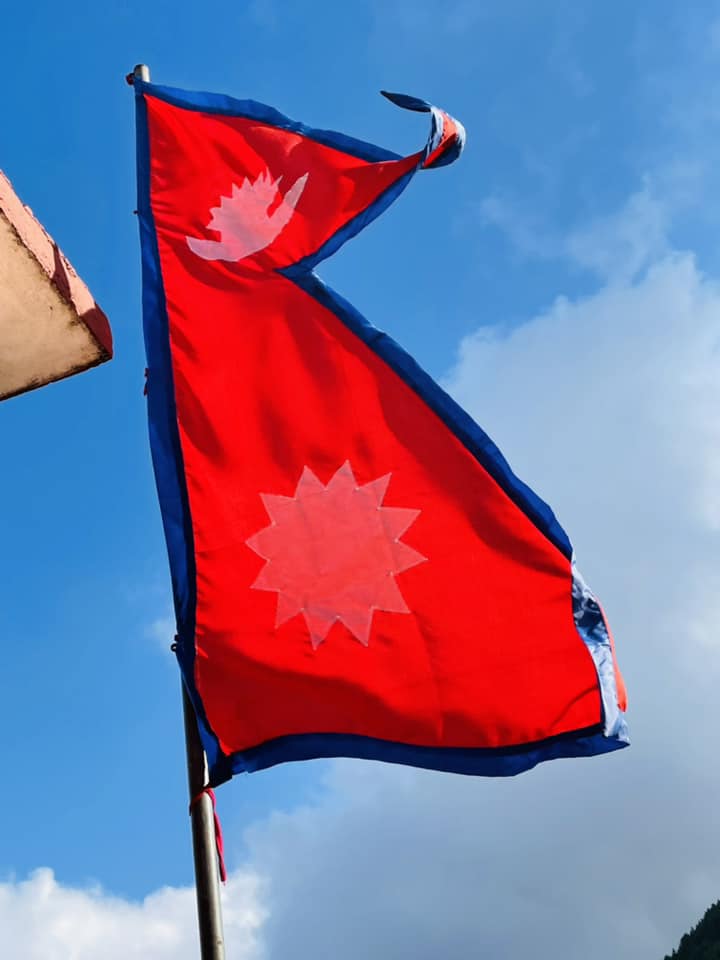
As a North American Druid of 24 years, I learned through my initiatory studies that Vedism, Hinduism, and Irish/Norse ancestral practices had somewhat similar roots in proto-Indo-European history and cultural anthropology. I was invited to this pilgrimage not only to further my studies of Nepali Shamanism, but to share in cultural exchange my own Druid practices, agricultural/pagan ceremonies, songs, chants, and similar magics.
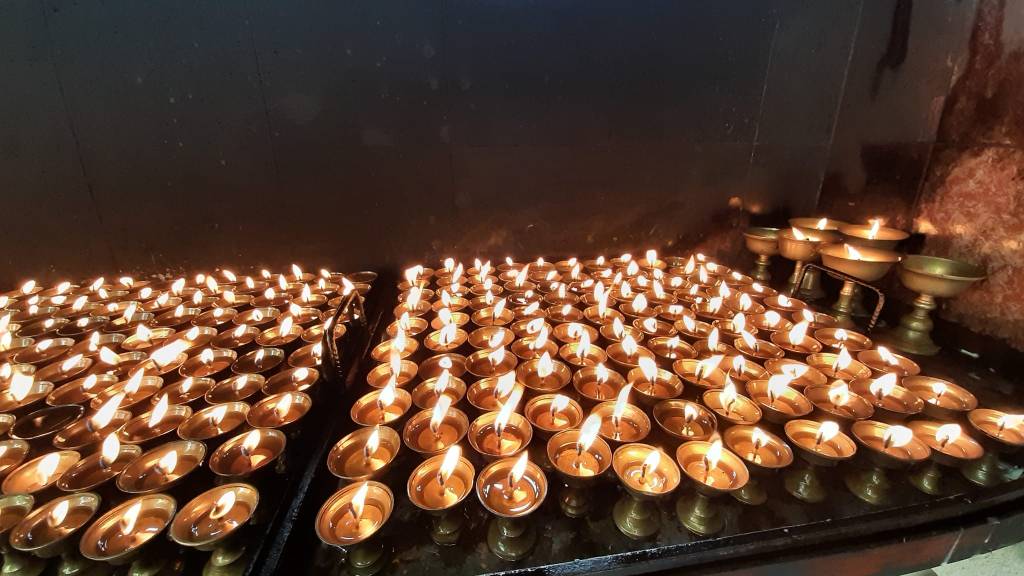
Physically, the limits of my endurance were tested in many ways. Upon arriving in Kathmandu and joining the spiritual tour group, I discovered that there was no safe drinking water in all of Nepal; I would have to purchase bottles of water throughout the entirety of my stay. Thankfully, liters of water were priced at 30 rupees, around $0.25 USD, so I set aside funds to cover the 2 weeks. However, not every town we visited had extra water to sell to travelers, and my hydration was tested by conserving the water that I had for the day. Note: For those making the trek to Nepal, this water bottle was a life-saver for many of my friends!
I also attempted to prepare my body physically for mountain hikes at 10,000 feet. I have hiked along the Appalachian Trail for over a decade, as well as the mountains and volcanoes of Arizona (which rise up to almost 8200 feet). I practiced the necessary breathing techniques for bringing more oxygen into the lungs. I worked out at the gym many times a week.
Readers, I needed MORE fitness preparation!
The trek to Mount Shailung, the Navel of the Earth (a sacred area of multiple shrines dedicated to Shiva), reached 10,800 feet, and took 7 hours. While there were stops for chants, offerings, blessings, and lunch, I can remember my world narrowing to breathing in, breathing out, stepping up, resting, and repeating these steps for the last hour to the summit.
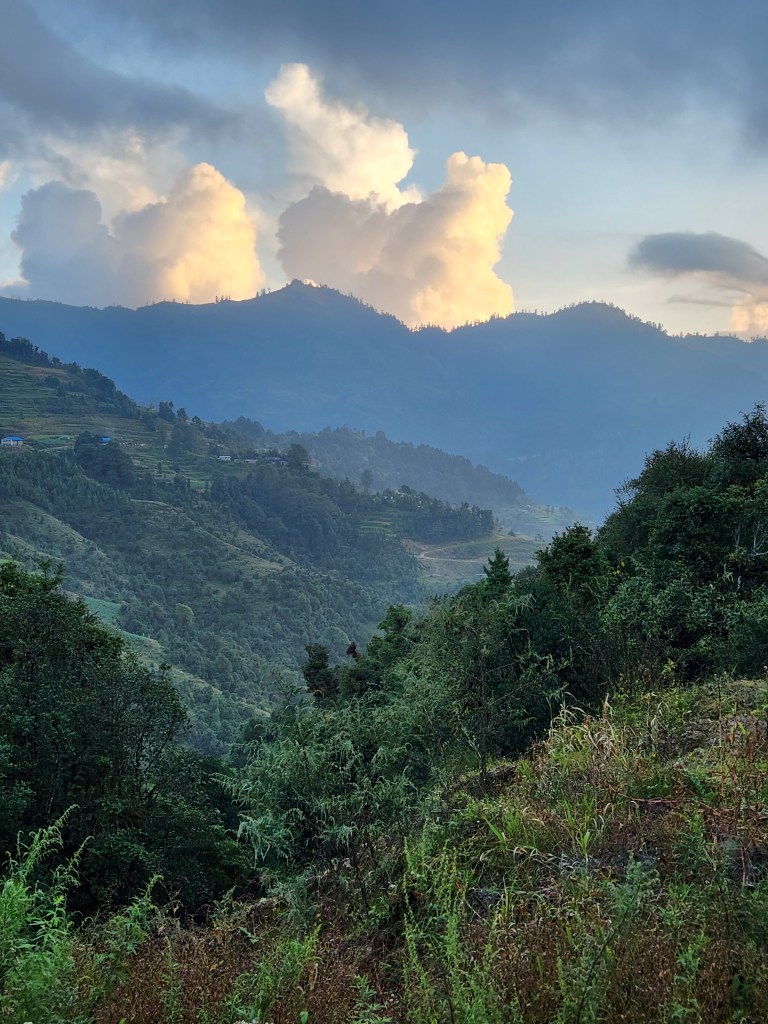


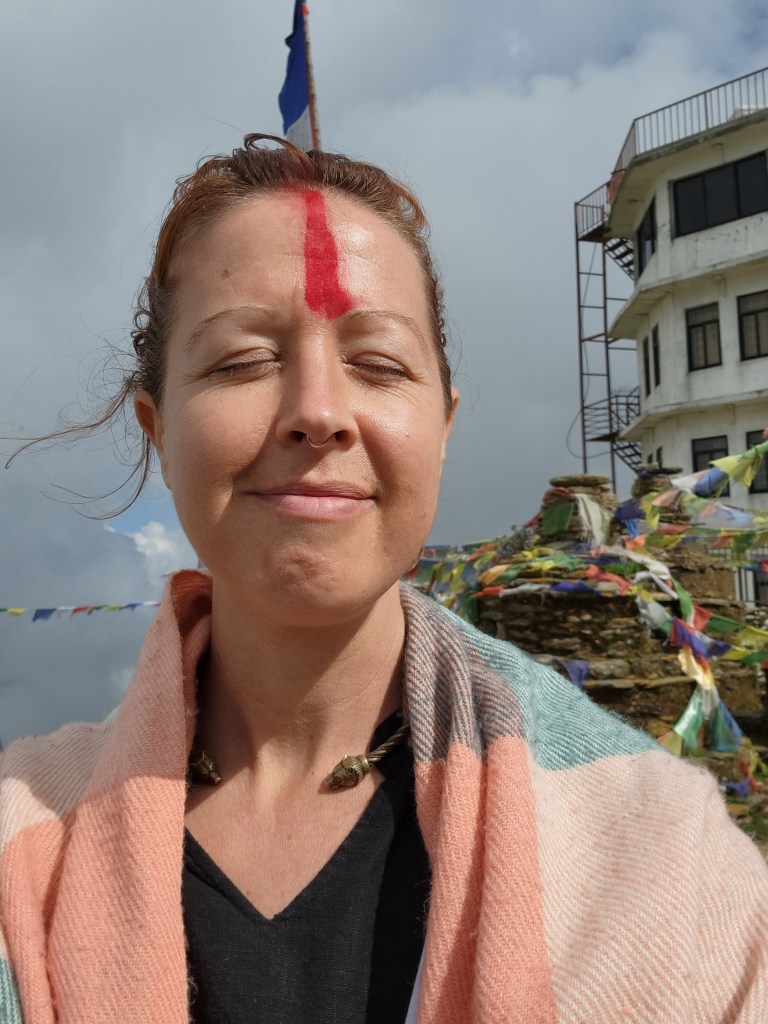
Thankfully, the rest of the trekking through Nepal was at lower elevation, and for shorter amounts of time. I am so grateful for the shared experience of sweat, tears, and physical exertion as offerings to the Spirits!

Mentally and emotionally, I was forced to adapt quickly to the unknown, release control, and stretch my capacity to acclimate to another culture. My routine before visiting another country includes practicing with a language app (Rosetta Stone is my favorite), but Nepali was not a listed language within the application! Not being able to practice a few key phrases first, I prayed that I would pick up the basics. Additionally, I was alone in my travels, and I was joining a spiritual group in which I only knew the teacher. My Scorpio-boundaries were on high alert for fakers, phonies, and emotional vampires (a sad reality of USA shamanic culture), but I was uplifted by the wholesomeness of almost every single member of the group!

As we traveled to different places across Nepal, I began to truly appreciate the differences between Druid shamanism and Nepali Shamanism. In my training, I was taught to dive deep into my own Ego, Shadow, and personal limitations so that I could trust in my intuition when working with the Spirits. In observing the different shamans that visited us within the Himalayas (Nepal, India, and Bangladesh) I learned that almost all ritual is based in tradition, lineage transmission, and the repetition of long, descriptive chants to both invite and petition the Spirits. This meant that our training programs were completely different, and the value placed on relationships between the shamans and the Spirits had some overlap, but not as much as I had hoped. My endurance was also tested regarding the intensity & length of ceremony; mine usually last between 2-4 hours, but the healing ceremonies of Nepal lasted between 9-15 hours! My mental focus was certainly tested to the max, and during some rituals, I was worried that I wouldn’t make it to the end…

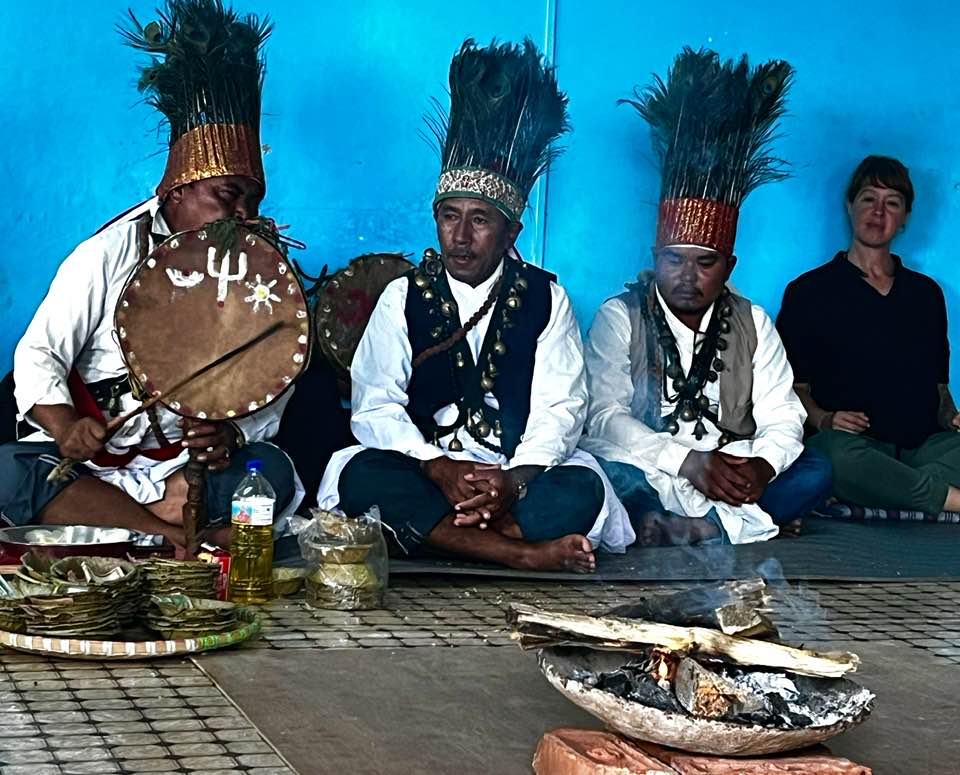

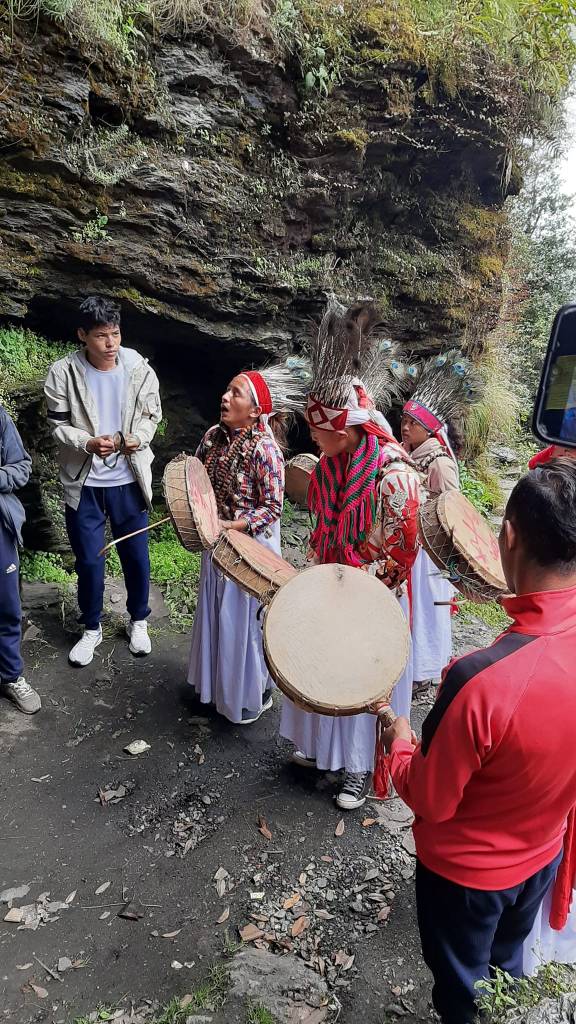

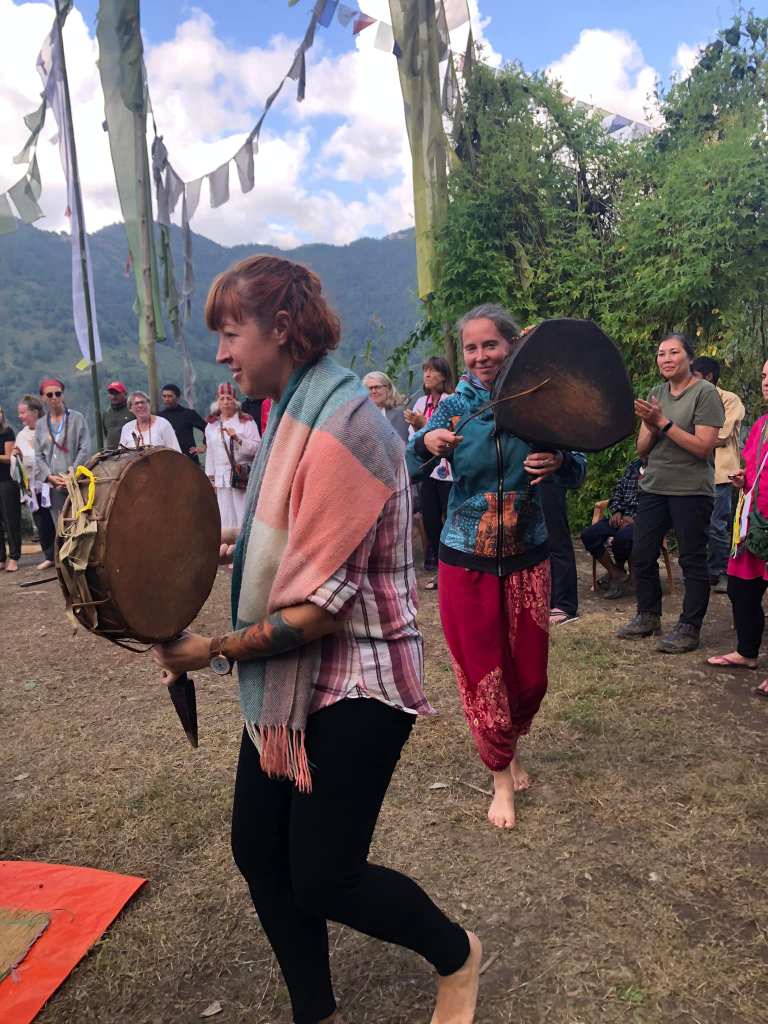
Spiritually, I struggled with finding my place within the cultural norms and restrictions of Nepali shamanic practices. My magical ability comes from my training in differentiating between Ego and Intuition, which means that I must trust that the Spirits will guide me towards what is needed for each individual (following a strong ethical practice, of course). This is mostly due to the fact that Druid practices come from a broken tradition, in which religious colonizers destroyed almost all of the oral lineages of Druid mysteries. Visiting a culture that had an unbroken tradition for millennia I was able to understand how the magical practices evolved towards mantra, petitioning of Spirits, and the holiness of ancestral lineages. I struggled with the endurance needed to practice 108 recitations of a specific mantra, keeping each chant as similar as possible as the previous one, and focusing the entirety of my energy on it.
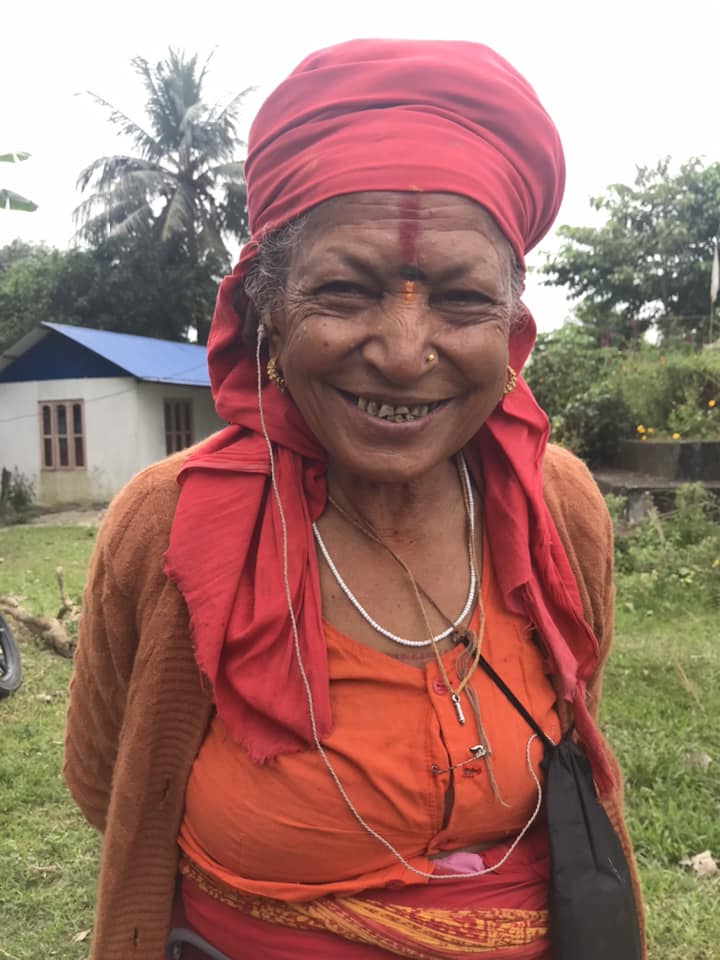
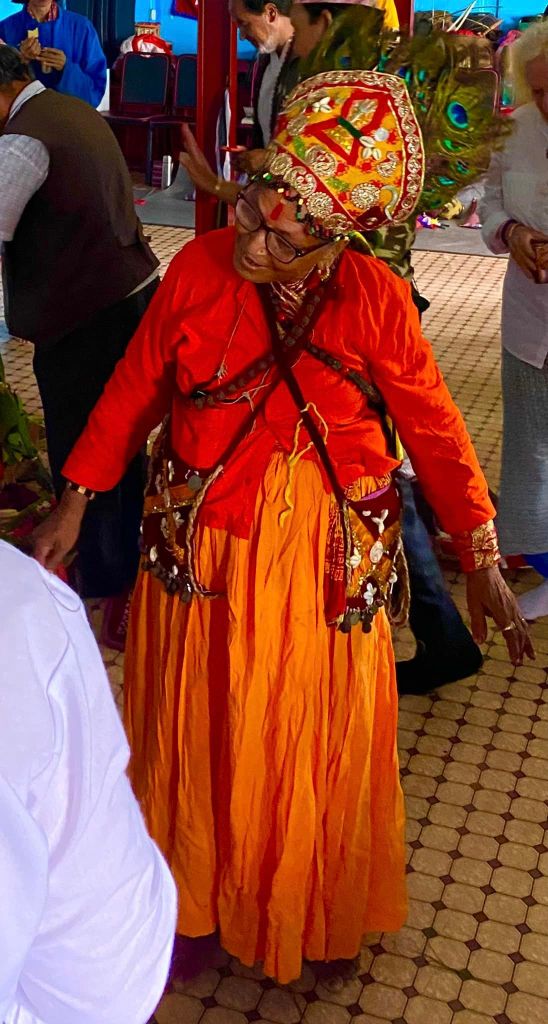

In Nepal, almost all magical offerings and ritual work is done with the right hand. While my right hand is my dominant hand for tasks, my magical hand is actually my left, and I needed the full two weeks of ritual in order to become comfortable in switching to my right side. Elder Alma, the blessed saint of the Tulsi plant, paid special attention to me to ensure I didn’t mistakenly use the wrong hand (and I have the memory of bruises on my head to remind me years later)!
At the end of our pilgrimage we returned to Kathmandu for a large celebration and final blessing ceremony.


This was the capstone that helped to integrate all of ceremonies, treks, conversations, and divine experiences. I remember feeling a powerful dizziness as Bhola placed the tika on my third-eye, and a flood of images and ideas moved through my gently-shaking body before I settled down and wrote as much as I could in my journal.
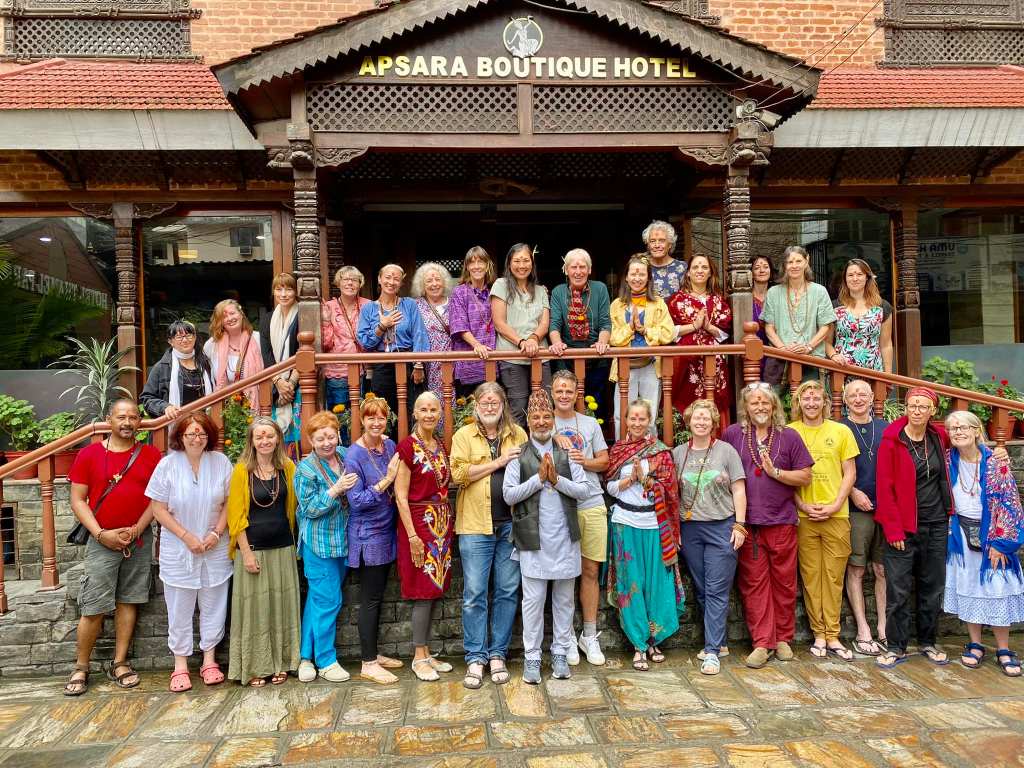
The beauty and power of this trip has stayed with me each and every day. It has helped me to restructure the ways in which I call to the Spirits, inspired me to write new songs of invocation, and has increased my knowledge of soul retrieval, kila – phurba work, and the importance of honoring the Ancestors first in all ceremonies.
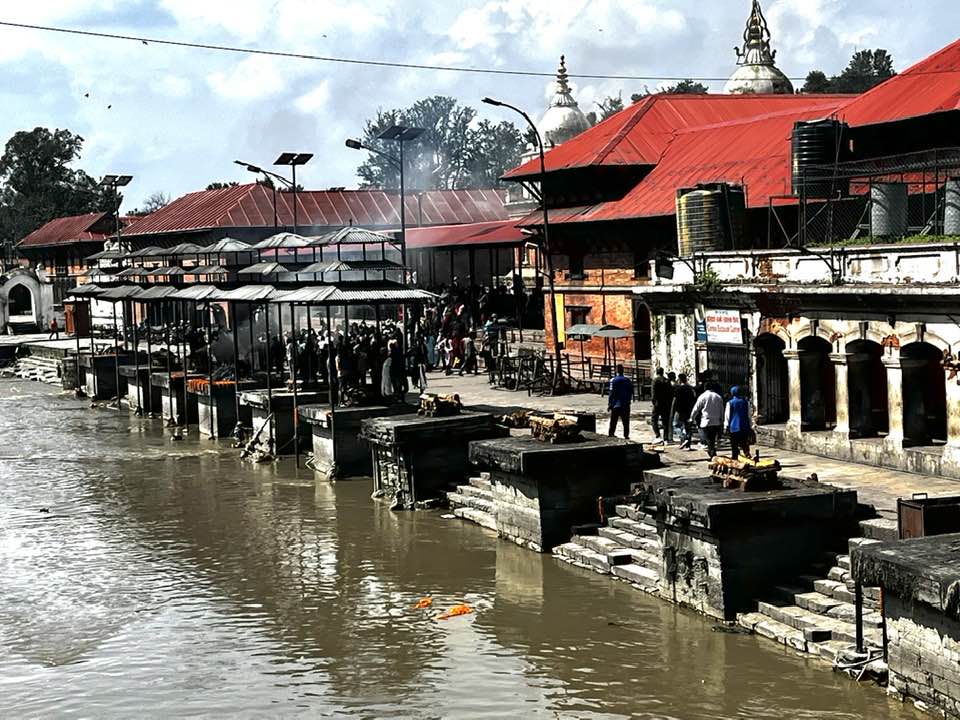
While many of our rituals were dedicated to Durga and Shiva, I found myself in closer relationship to Ma Kali. She was always just at the periphery of my vision, ensuring that I strictly followed the ceremonial prep and ritual steps according to the jhankri’s instructions. She also made Herself known during cremation ceremonies:
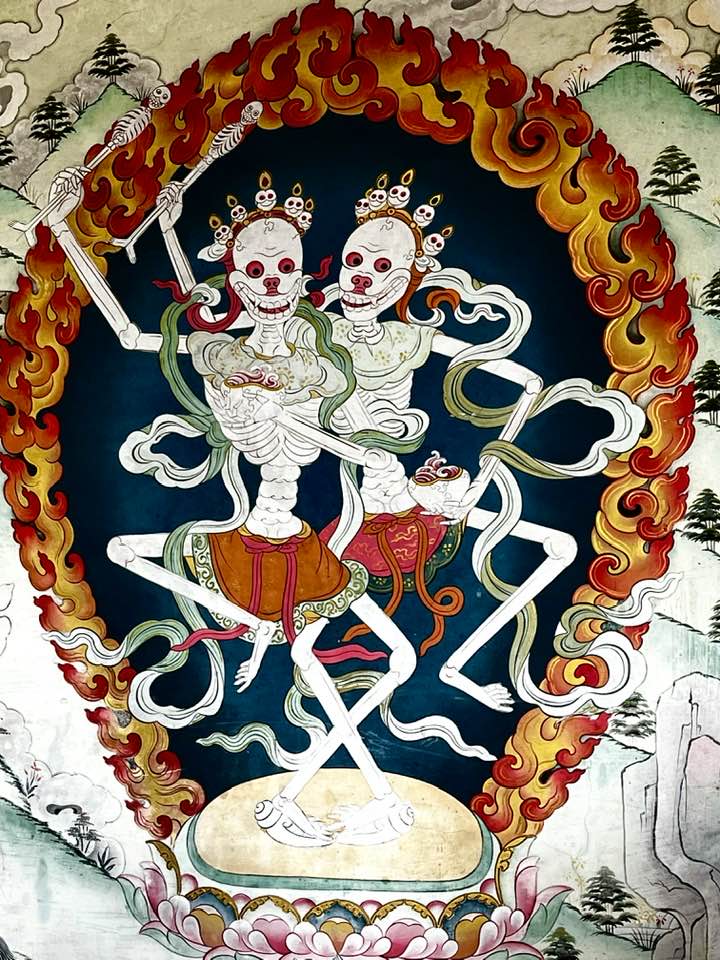
With a deity as empowered with Divine Truth as Kali, I discovered that her instruction didn’t end when I returned to the States. Within a few months of my return to Appalachia, I left an emotionally- and financially-abusive relationship, I moved from a rural animal-rescue farm to an historic city, and I returned to full-time psychological work.
These massive life-changes helped to integrate the initiatory experiences of my pilgrimage, and helped me to adjust my shamanic practice to better fit the needs of the spiritual community that I serve (now on evenings, weekends, and holidays).
Now, almost two and a half years later, this Coyote is ready for another adventure, aaaaoooooooo!
 Kojote & Kroh Shamanism